AI for Clinics: See More Patients Without Hiring More Staff
Your receptionist is answering the same 10 questions on repeat. Your doctor is typing notes instead of seeing patients. Your no-show rate is burning S$6,000–12,000 a month. Here are 5 AI tools that fix this — with Singapore government grants to help pay for them.
The Healthcare Squeeze in Singapore
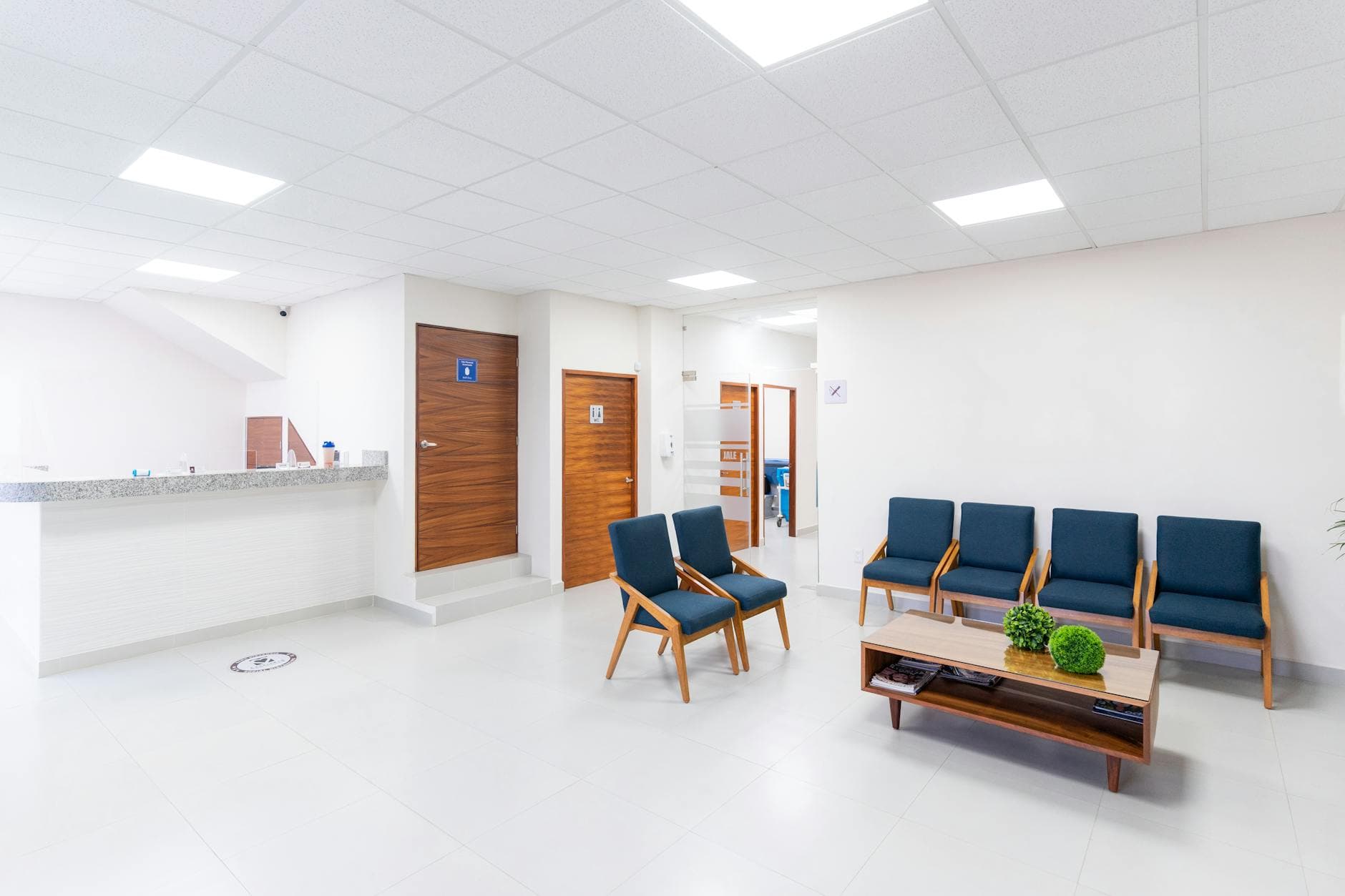
Polyclinic walk-in waits: 1 to 3 hours. Private clinics feel the same squeeze. Patients show up late, don't show up at all, or call 40 times a day to ask “what time is the doctor free?” Meanwhile, your receptionist is drowning, your doctor is typing notes at 9pm, and you can't hire more nurses because there aren't any.
15–20%
patient no-show rate
Every empty slot is lost revenue
4+ hours
per day answering phones
Same 10 questions on repeat
3,000+
nurse vacancies in Singapore
Clinics compete harder for staff
Patients in Singapore speak English, Mandarin, Malay, and Tamil — but your front desk staff typically handle one or two languages at best. That means miscommunication, repeat calls, and patients who don't understand their discharge instructions.
Let's be clear: This article is not about AI replacing doctors. It's about AI handling the admin work that stops you from seeing more patients. The doctor still diagnoses, still treats, still makes every clinical decision. AI just takes care of the paperwork, the phone calls, and the scheduling chaos.
1. WhatsApp Appointment Booking — 24/7 in 4 Languages
What it does: An AI chatbot handles appointment booking, rescheduling, and reminders through WhatsApp — 24 hours a day, 7 days a week — in English, Mandarin, Malay, and Tamil. No app download required. Patients just text your clinic's WhatsApp number.
Real Example
Patient texts “我明天早上想看医生” at 10pm. AI responds in Mandarin: “Dr Tan has slots at 9:30am and 11am tomorrow. Which do you prefer?” Patient picks one, gets a confirmation and a reminder. Done — no human involved.
Your receptionist answers roughly 40 calls a day. If AI handles 70% of booking calls, that's 28 fewer interruptions. Your receptionist can focus on patients who are actually in the clinic — checking them in, answering questions face to face, helping the elderly.
ROI Snapshot
If your receptionist earns S$2,800/month and spends 4 hours/day on phone bookings, that's S$1,400/month of salary going to work a chatbot can do. Add the value of a less-stressed front desk and fewer missed calls after hours — the ROI is obvious.
Grant: PSG-approved scheduling and chatbot tools are available. Apply, pay upfront, get 50% reimbursed.

2. No-Show Prediction and Smart Overbooking
What it does: AI learns which patients tend to no-show based on age, appointment history, day of week, and time of day — then adjusts your scheduling automatically.
~25%
no-show rate for ages 18–30
~5%
no-show rate for ages 60+
Mon AM
highest no-show time slot
AI auto-sends reminders 24 hours and 2 hours before the appointment. For high no-show risk patients, it sends an extra reminder or strategically overbooks that slot so your doctor's time isn't wasted.
The Money You're Losing
If your clinic sees 40 patients/day and has a 15% no-show rate, that's 6 empty slots daily.
At S$50–80 per consultation: S$300–480 lost per day
Per month (26 working days): S$7,800–12,480 lost
Reduce no-shows by half: S$3,900–6,240/month recovered
Honest note: Overbooking needs to be done carefully. The AI learns your clinic's specific patterns — it doesn't just blindly double-book. If everyone shows up on a particular day, the system adapts. This is pattern recognition, not guesswork.
3. Automated Patient Intake Forms
What it does: Patients fill out their symptoms, medical history, and allergies on their phone before they arrive. AI pre-populates the doctor's system — no more clipboards and paper forms. The doctor spends less time on data entry and more time on actual diagnosis.
How It Works in Practice
Patient clicks a link in their appointment confirmation WhatsApp message. Fills out symptoms in 3 minutes on their phone while on the MRT. By the time they arrive, the doctor already has their info on screen — in structured format, ready to review.
Works in all 4 languages. The patient fills out the form in Tamil, the doctor sees it in English. No translation needed by staff, no miscommunication, no “can you repeat that” back and forth at the counter.
For returning patients, the system pre-fills their history. They just confirm “still taking the same medications” and add any new symptoms. What used to be 10 minutes of clipboard work becomes 2 minutes on a phone screen.
4. AI-Assisted Clinical Documentation
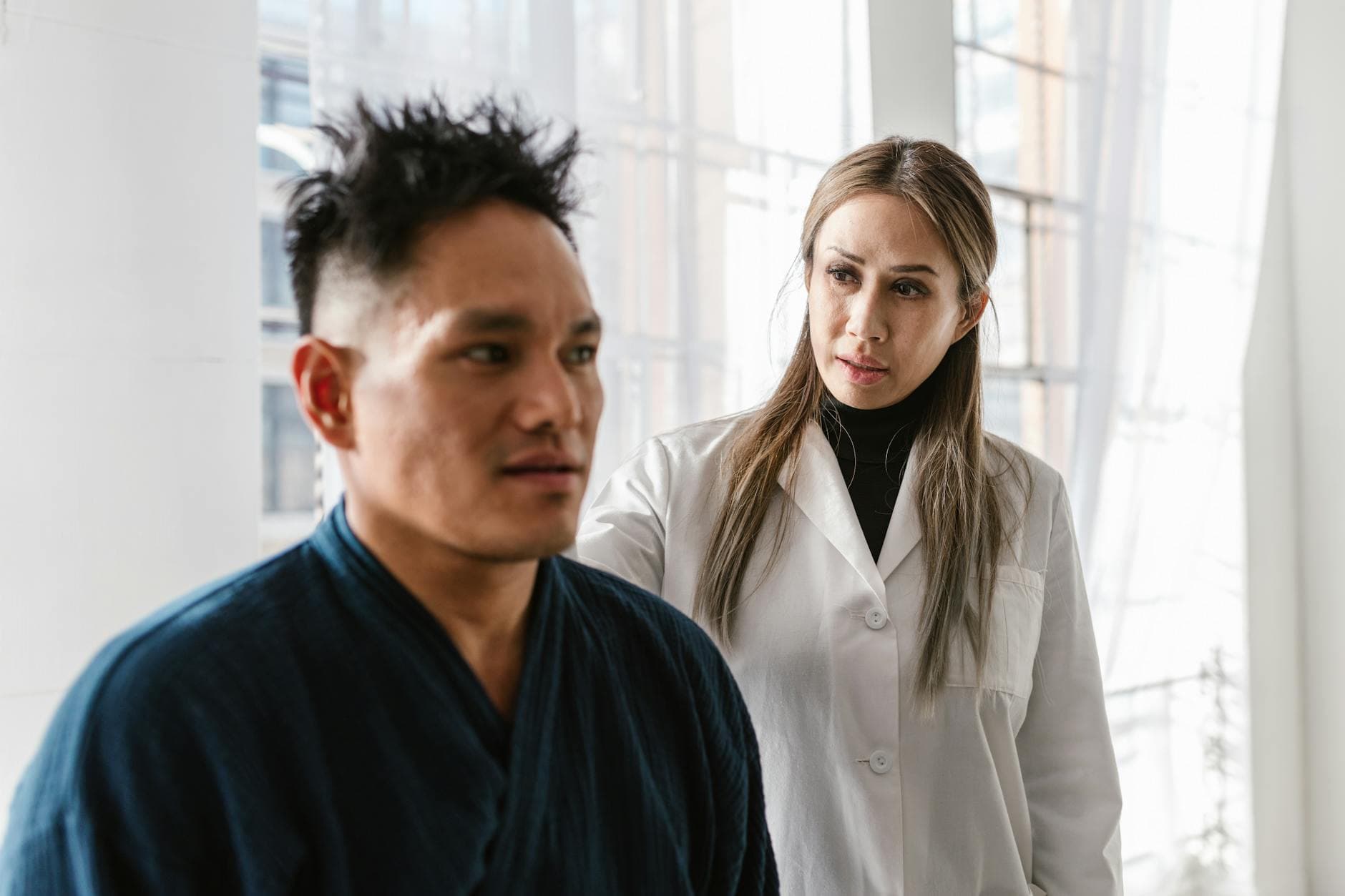
What it does: Doctor talks to the patient normally. AI listens, transcribes, and generates structured clinical notes in SOAP format (Subjective, Objective, Assessment, Plan). No more typing after every patient.
This saves 15 to 20 minutes per patient for doctors who currently type notes manually. Let that sink in.
The Math That Matters
If you save 15 minutes per patient across 30 patients/day, that's 7.5 hours saved.
You could see 5 to 8 more patients per day. Or — hear us out — go home on time.
At S$50–80 per consultation, 5 extra patients = S$250–400 more revenue per day = S$6,500–10,400/month.
Honest note: AI-generated notes still need doctor review and approval. This is an assistant, not a replacement. But it turns a 5-minute typing task into a 30-second review. The doctor reads, edits if needed, approves. Done.
Grant: This is typically an EDG-level investment for custom clinical integration. Expect S$100K–300K project size, with government reimbursing up to 70% for SMEs after completion.
5. Multilingual Patient Education
What it does: After the visit, AI sends personalised care instructions in the patient's preferred language. Discharge instructions, medication reminders, follow-up booking — all automated, all in the right language.
“Take this medicine twice a day after meals” — in Tamil, for the auntie who doesn't read English well. “Remember your follow-up appointment next Tuesday at 3pm” — in Mandarin, for the uncle who only speaks Hokkien and basic Mandarin.
Real Example
Your elderly patient speaks only Hokkien and basic Mandarin. AI sends post-visit care instructions in simple Mandarin with a voice note option. The patient actually understands what to do — which medications to take, when to come back, what symptoms to watch for. No more calling the clinic 3 times to ask.
This reduces return visits for clarification. When patients understand their care instructions the first time, they don't need to call back or come in just to ask questions. Your phone rings less. Your waiting room is less crowded. Your patients get better outcomes.
Which Grants Cover These AI Tools?
Grant Matching for Clinics
For scheduling, chatbots, and intake tools
WhatsApp booking bots, appointment reminders, patient intake forms — these are typically available as pre-approved PSG tools. Quick approval (4–6 weeks), you pay upfront, get 50% reimbursed. Up to S$30K/year.
For custom clinical AI and multi-clinic systems
AI clinical documentation, custom no-show prediction trained on your data, multi-branch systems — these need custom development. EDG reimburses up to 70% for SMEs after project completion. Typical project: S$200K–700K.
Not sure which one fits? Read our PSG vs EDG comparison for the full breakdown.
Want to see all available grants? Check our Complete Guide to Singapore AI Grants 2026.
Thinking about opening or growing a dental practice specifically? Read our Deep-Context report on opening a dental clinic in Singapore — the real startup cost, the HCSA + SDC licence stack, the unit economics, and where a new practice wins.
Find Out Which AI Tools Are Right for Your Clinic
Take our free 2-minute assessment. We'll match you with the right grants and the right AI tools — whether that's a simple WhatsApp bot or a full clinical documentation system.
Free. Takes 2 minutes. No hard sell, we promise.
Take the Free AssessmentInformation as of March 2026. Grant rates and conditions may change. Always verify the latest details on the official GoBusiness Grants Portal before applying.